Single Boiler vs Dual Boiler Espresso Machines: 7 Key Differences
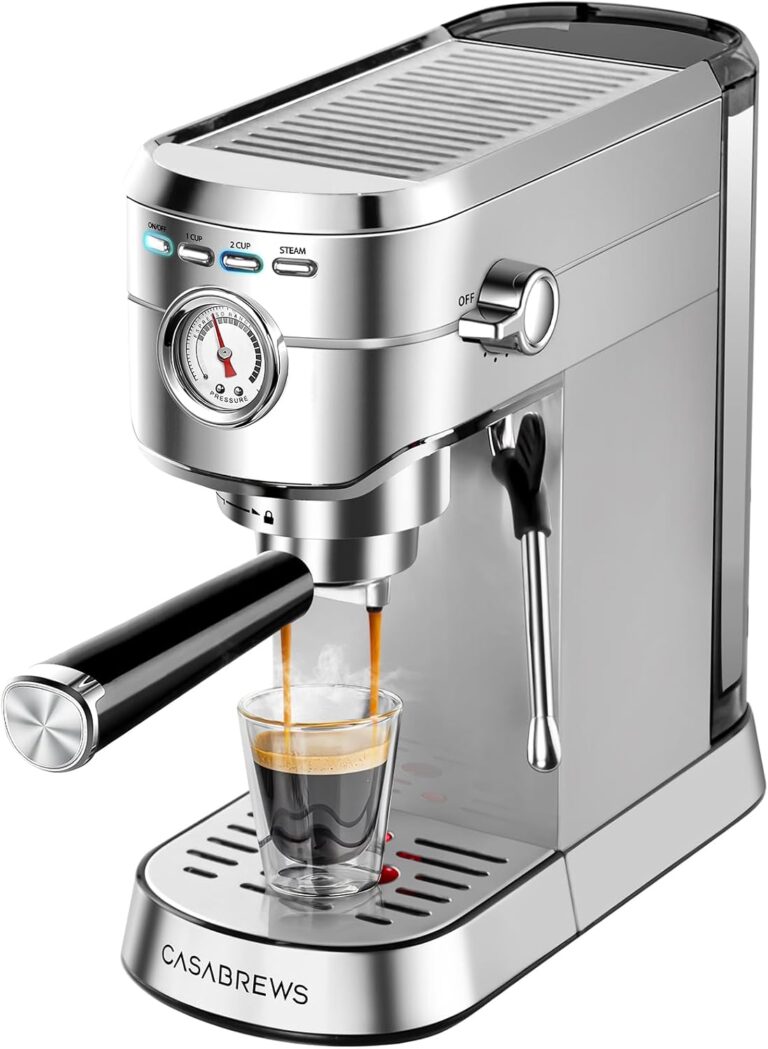
Single boiler vs dual boiler espresso machines differ mainly in how they manage the two jobs of making espresso and steaming milk. A single-boiler machine uses one boiler for both tasks, while a dual-boiler machine has separate boilers. The right choice depends on your daily routine—not on the assumption that the more expensive design always makes better coffee.
Related reading: Start with our espresso machine buying guide, or compare other designs in our espresso machine types guide.
Editorial note: This is a research-based buying guide, not a hands-on test. Exact performance depends on the design and controls of each individual machine.
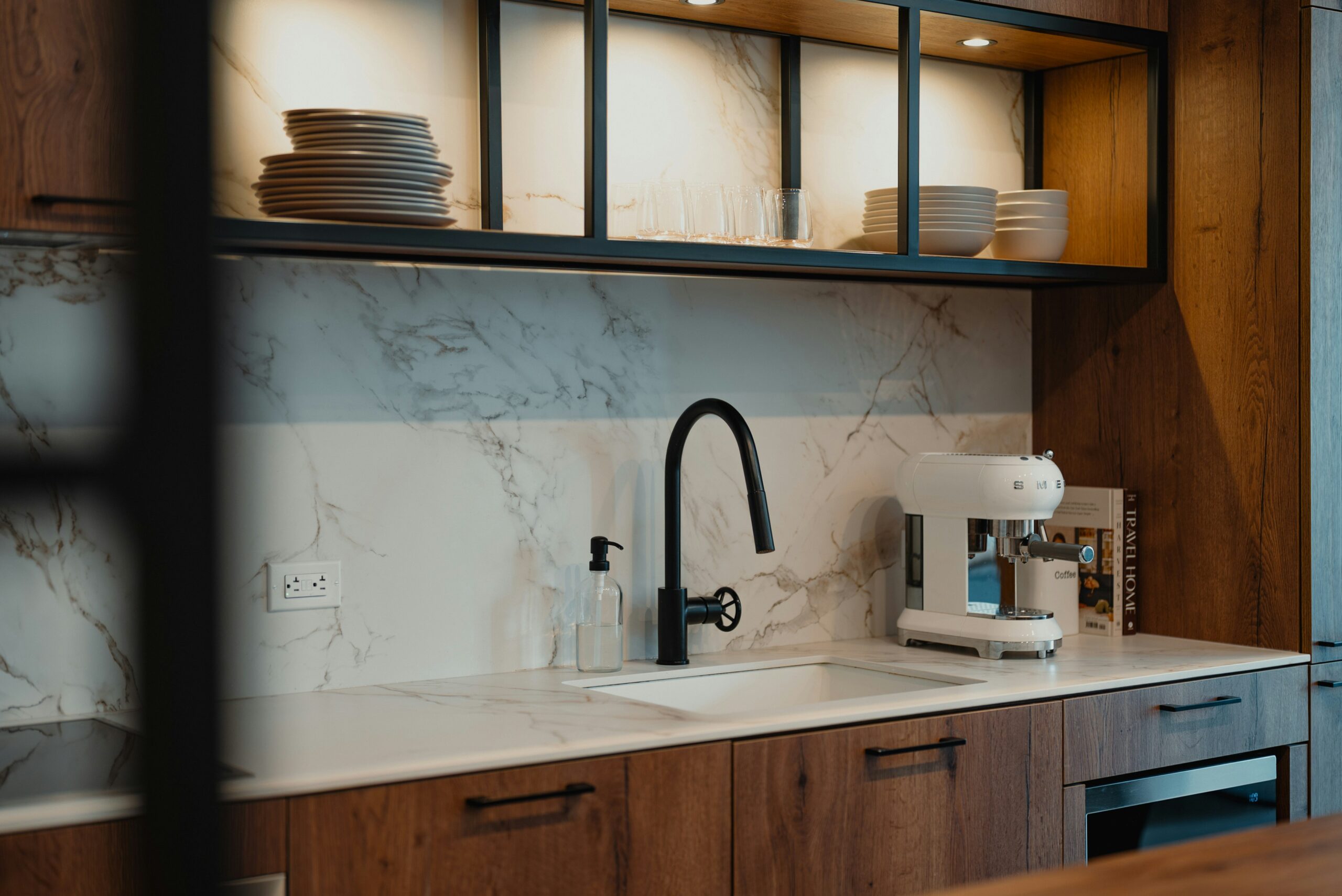
Single Boiler vs Dual Boiler: The Main Differences
| Feature | Single boiler | Dual boiler |
|---|---|---|
| Heating system | One boiler handles brewing and steaming | Separate boilers handle brewing and steaming |
| Workflow | Usually switches between brew and steam modes | Can brew and steam at the same time when designed for it |
| Best fit | Mostly espresso or occasional milk drinks | Frequent milk drinks and back-to-back servings |
| Size and complexity | Often simpler and more compact | Often larger, with more components |
| Cost | Often lower, though model prices vary | Often higher, though model prices vary |
1. How a Single-Boiler Espresso Machine Works
A single-boiler machine uses one heated boiler for espresso brewing and milk steaming. Because brewing and steaming need different temperature ranges, many models change modes between the two tasks. You may pull a shot first, wait for the machine to reach steam temperature, texture milk, then allow it to return to brewing temperature for the next shot.
This workflow is not necessarily a drawback. If you usually drink straight espresso or make one milk drink at a time, the short pause may not matter. A simpler machine can also leave more room in the budget for a capable grinder, fresh coffee, and accessories you will actually use.
2. How a Dual-Boiler Espresso Machine Works
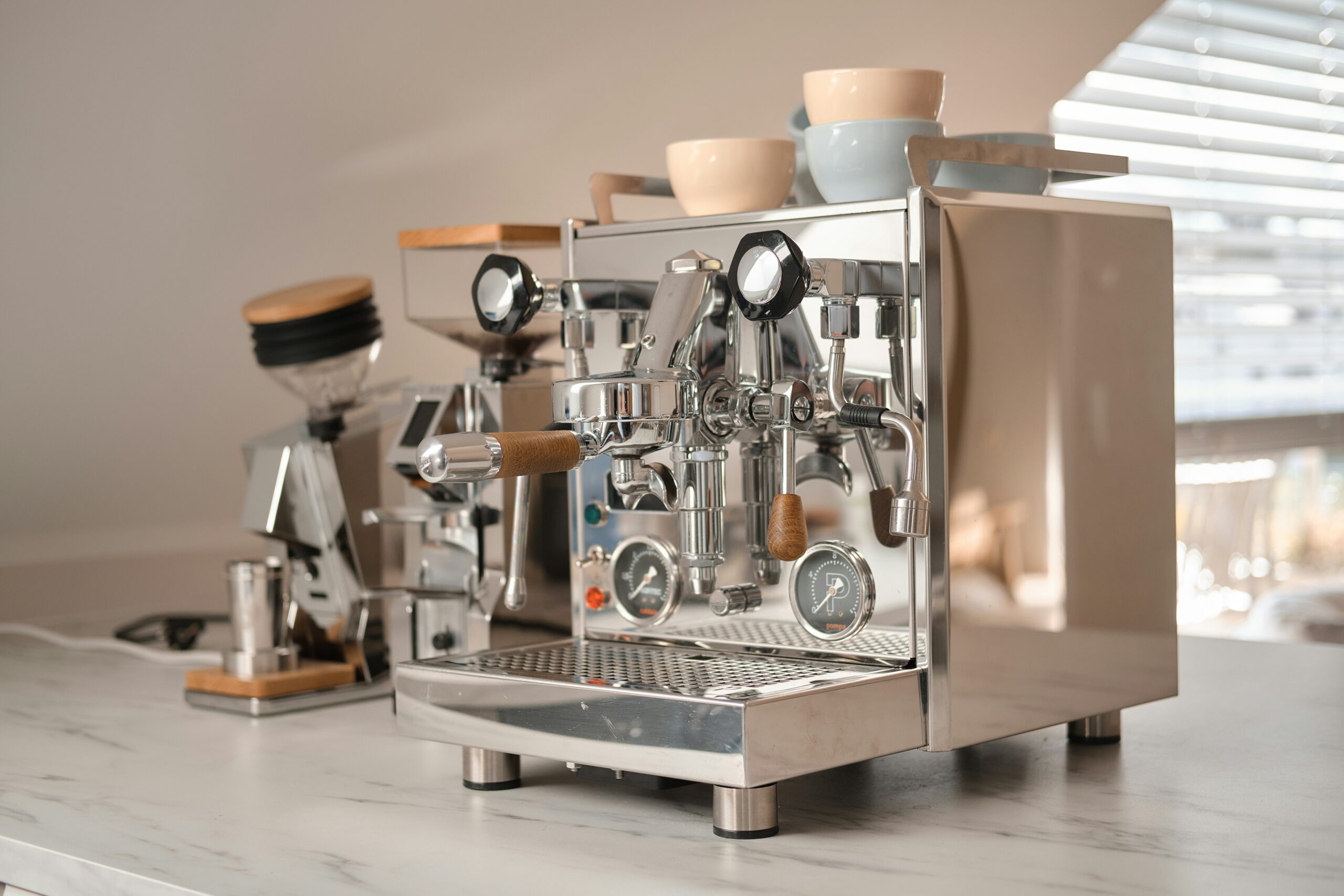
A dual-boiler machine separates the brewing and steaming jobs into two boilers. One is dedicated to brew water while the other supplies steam. On a properly designed machine, this allows you to extract espresso and steam milk simultaneously, which can make preparing several drinks in a row more convenient.
Separate boilers can also provide independent temperature settings for brewing and steaming. However, two boilers do not automatically guarantee better espresso. Temperature control, group-head design, pressure delivery, warm-up behavior, and the grinder all affect the result. Evaluate the complete machine rather than relying on the boiler label alone.
3. Which System Is Better for Milk Drinks?
If you regularly prepare cappuccinos or lattes for several people, the dual-boiler workflow can be a meaningful advantage. You can work on the shot and milk without waiting for one heating system to change temperature. This may make a busy morning routine feel smoother.
If milk drinks are occasional, a single boiler can still be a sensible choice. The important question is how often you will notice the pause between brewing and steaming. Do not pay for simultaneous operation unless it solves a problem you actually have.
4. Temperature Control and Espresso Quality
Boiler layout influences workflow and temperature management, but it is not a complete quality score. A well-controlled single-boiler machine can make excellent espresso. A dual-boiler machine gives designers separate brew and steam systems, but shot quality still depends on repeatable preparation, suitable grind size, dose, water, and the machine’s overall engineering.
Look for specific evidence in the manufacturer’s documentation: whether brew temperature is adjustable, whether a PID controller is included, how the machine behaves after idle time, and what the manual recommends before pulling a shot. Avoid assuming that one feature guarantees perfect temperature stability.
5. Counter Space, Warm-Up, and Maintenance
Dual-boiler machines often have a larger footprint and more components to heat and maintain, though designs vary. Before buying, measure the available counter depth and height, allow room to refill the tank and access the controls, and check the manufacturer’s cleaning and descaling instructions.
Warm-up time also varies by model and construction. Do not assume every single boiler warms slowly or every dual boiler takes a long time. Check the manual and independent testing where available, and consider whether you use a timer or switch the machine on shortly before brewing.
6. What About Heat-Exchanger and Thermoblock Machines?
Single and dual boilers are not the only heating designs. A heat-exchanger machine typically uses a steam boiler with a separate path that heats brew water, allowing brewing and steaming at the same time, although the temperature routine can differ from a dual boiler. A thermoblock or thermocoil heats water as it passes through a heated block or coil; the exact workflow depends on whether the machine has one or more independent heating circuits.
These labels describe different engineering approaches, so compare the specific model’s workflow rather than assuming all machines in one category behave identically. For a broader overview, read our espresso machine types guide.
7. Which One Should You Choose?
- Choose a single boiler if you mostly drink straight espresso, make milk drinks occasionally, and prefer a simpler setup.
- Consider a dual boiler if you regularly make several milk drinks and value simultaneous brewing and steaming.
- Compare heat exchangers too if simultaneous workflow matters but you want to explore alternatives to a dual-boiler design.
- Keep the grinder in the budget because consistent grinding and repeatable preparation are central to espresso quality.
Frequently Asked Questions
Does a dual boiler always make better espresso?
No. A dual boiler offers separate brew and steam systems and can improve workflow, but espresso quality depends on the whole machine and how it is used.
Is a single boiler enough for a beginner?
For many beginners, yes. If you make one drink at a time and do not mind switching between brew and steam modes, a single boiler can be a practical starting point.
Can I make lattes with a single-boiler machine?
Yes. Many single-boiler machines can brew espresso and steam milk; the main trade-off is the wait while the machine changes between the two temperature ranges.
Sources and Further Reading
- Seattle Coffee Gear: Thermoblock vs. boiler espresso machines
- Breville: official product information and manuals
- Specialty Coffee Association: coffee equipment and brewing resources
For more help choosing your setup, explore our espresso machine buying guide and our coffee gear reviews.