How to Choose a Coffee Grinder: 8 Key Things to Consider
Editor’s Note: This research-based guide is built around manufacturer specifications and support information. It is not a hands-on test.
Learning how to choose a coffee grinder starts with your brewing method, the level of control you want, the counter space you have, and whether you expect your coffee setup to change over time. The best grinder is not simply the one with the most settings or the biggest burrs.
For context, our Baratza Encore ESP review covers an espresso-focused home grinder, while our Baratza Encore vs Encore ESP comparison explains why Baratza gives the two models different adjustment priorities. For a different all-purpose option, see our Fellow Opus review.
Disclosure: This article contains affiliate links. We may earn a commission from qualifying purchases at no extra cost to you.
1. How to Choose a Coffee Grinder for Your Brewing Method
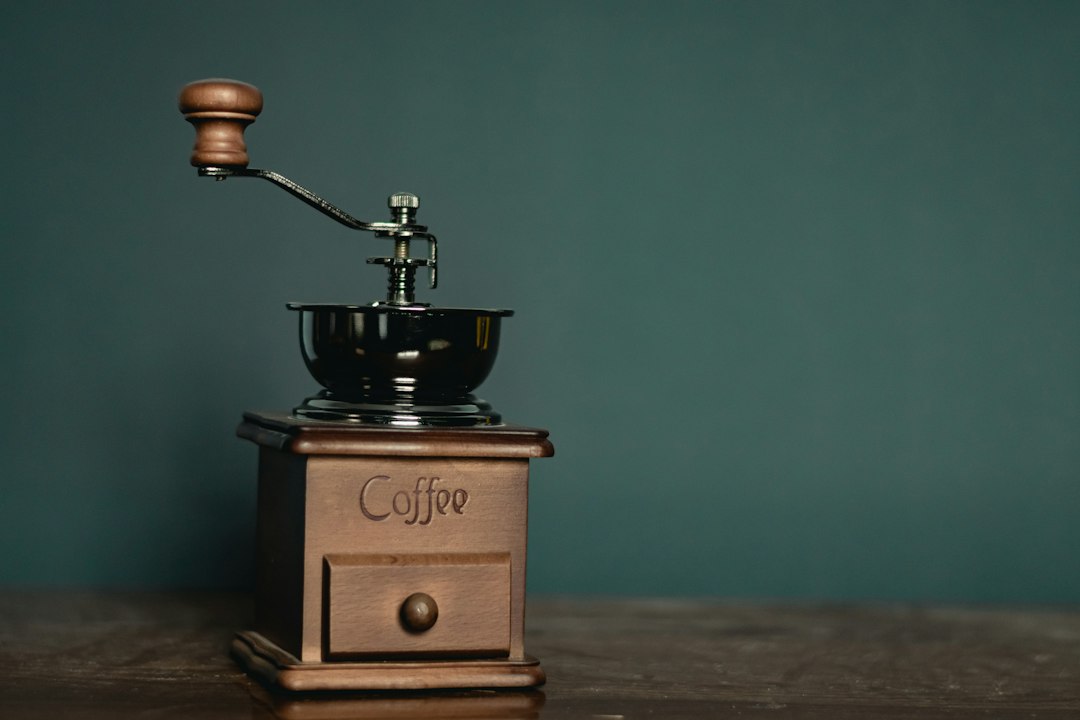
Espresso needs a much finer and more controlled grind than most brewed coffee. Pour-over, drip, French press, and cold brew generally use progressively coarser ranges. That is why a grinder designed around espresso should not automatically be treated as the best choice for every coffee drinker. If you are comparing burr designs, see our conical vs flat burr grinders guide for the practical differences.
- Espresso: prioritize fine adjustment and a grinder designed to handle espresso.
- Pour-over or drip: prioritize useful brewed-coffee settings and repeatable adjustments.
- Multiple methods: look for a grinder designed to cover the full range.
2. Pay Attention to the Adjustment System
The number of grind settings is only part of the story. What matters is how those settings are distributed. A grinder may have many positions but still provide limited control in the range you actually use.
Baratza’s Encore ESP is a useful example: its first 20 settings provide a higher-resolution espresso range, while settings 21–40 cover filter coffee, French press, and cold brew.
3. Understand Burr Size and Burr Design
Burr size is useful specification information, but it should not be treated as a standalone quality score. Burr geometry, alignment, adjustment design, motor behavior, and the intended grind range all influence how a grinder fits a particular workflow.
For home buyers, a better question is: does the grinder’s burr system and adjustment range match your brewing method and expected use?
4. Decide How You Want to Dose
Some grinders are designed around a hopper workflow, while others suit users who weigh individual doses before grinding. Neither approach is universally better.
- Hopper workflow: convenient when you frequently brew similar amounts.
- Single dosing: attractive when you weigh beans for each brew or change coffees often.
- Timed or programmed dosing: useful when convenience matters more than a purely manual routine.
5. Check Retention, Cleaning, and Maintenance
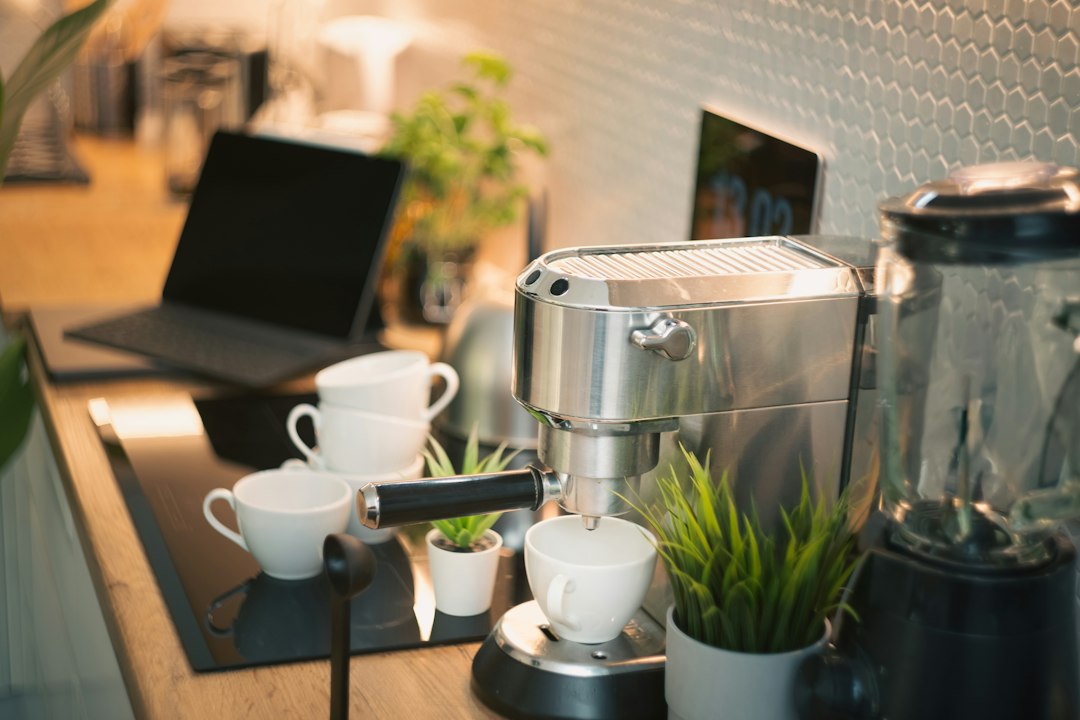
Grinders are not maintenance-free. Look for tool access, removable burr components, replacement-part availability, and manufacturer documentation. A design that is easy to clean can be more valuable over the life of the grinder than a flashy feature used only occasionally.
6. Measure the Counter Space
Measure width, depth, and height before buying. Also check how the hopper is filled, how the grounds container is removed, and whether the grinder will fit comfortably beside your espresso machine.
7. Budget for the Whole Setup
The grinder is part of a larger coffee system. When planning your budget, remember the espresso machine or brewer, scale, coffee, and any accessories you may still need. A more expensive grinder can be sensible if it replaces the need for a second grinder later.
8. Choose the Simplest Grinder That Fits Your Real Needs
A beginner does not automatically benefit from the most complex grinder. The best fit is the one that gives you enough control for your preferred brew method without adding features you will rarely use.
| Your priority | What to prioritize |
|---|---|
| Espresso | Fine adjustment, espresso-focused range, repeatable workflow |
| Pour-over | Useful coarse-to-medium range and easy adjustments |
| Mixed brewing | Broad usable range across espresso and brewed coffee |
| Small kitchen | Compact footprint and easy access to controls |
| Frequent coffee changes | Single-dose-friendly workflow and easy cleaning |
A Good Place to Start
For an espresso-focused home setup, the Baratza Encore ESP is one of the examples we examine on CupCriteria. Its design centers on a dedicated espresso range while remaining useful for coarser brewing methods. Read our full Encore ESP review and our Encore vs Encore ESP comparison for more detail.
Final Checklist
- Know your main brewing method.
- Check the useful range rather than counting settings alone.
- Decide whether hopper or single-dose workflow suits you.
- Measure the available counter space.
- Consider cleaning, replacement parts, and long-term support.
- Budget for the full coffee setup, not just the grinder.
Sources
- Baratza U.S. — Encore ESP product page
- Baratza U.S. — Encore product page
- Baratza U.S. — Product manuals and documentation